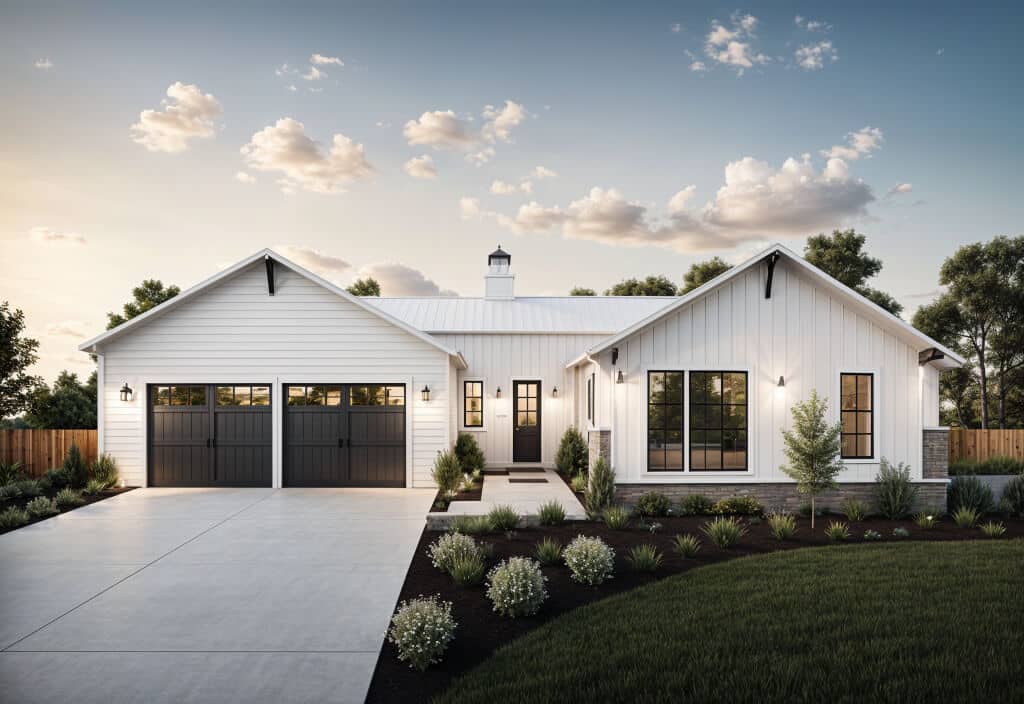

Designing and building a home that will house special memories with family and friends for years to come, and adding a few extra steps to ensure it is protected is a worthy investment. A crucial part of building your dream home is considering the potential threats posed by natural disasters that could impact the structure and longevity of your home. Discover our key recommendations for How to Build a Home Resistant to Natural Disasters.
Location, location, location:
The most important factor to consider when creating a disaster-proof home is where you plan on building. Choosing the right site can significantly reduce the risk and impact of natural disasters. Research the area’s history of natural disasters such as floods, hurricanes, earthquakes and wildfires.
Where possible, avoid building in flood zones (check out our blog on building in a flood zone), coastal areas prone to storm surges, earthquake-prone regions, or high-risk wildfire zones. Instead, opt for elevated sites that are less vulnerable to flooding or landslides.
Resilient building materials:
The choice of building materials plays a vital role in constructing a disaster-resistant home. The aesthetic look of your home is important but selecting durable materials that can withstand the forces of nature is more important.
Recommended materials include reinforced concrete, brick and steel. These all offer better structural integrity and resistance against wind, water and fire damage. Additionally, consider impact-resistant windows and doors, which can tolerate high winds and flying debris during hurricanes and tornadoes.
Reinforced structural design:
A well-designed and reinforced structure is key to building a disaster-resistant home. Work with a professional architect or engineer to create a robust design that accounts for potential natural hazards.
Implement techniques such as reinforced concrete foundations, steel frame construction and proper bracing to enhance the structural integrity of your house. This will ensure that your home can withstand the powerful forces exerted by earthquakes, hurricanes and high winds.
Waterproofing and drainage systems:
Water damage is a common consequence of most natural disasters. To mitigate this risk, incorporate effective waterproofing and drainage systems into your home’s design.
Install a high-quality waterproofing membrane in the foundation and walls to prevent water intrusion during floods or heavy rainfall. Ensure proper grading and slope away from the house to direct water flow away from the foundation. Additionally, consider installing a sump pump system to remove excess water during flooding.
Wind and storm protection:
Hurricanes and high winds can cause significant damage to homes. When building a disaster-proof home, it is essential to incorporate wind and storm protection measures.
Use impact-resistant windows and doors that meet the necessary standards for hurricane zones. Reinforce roof connections to the walls with hurricane straps or clips. Choose a hip or gable roof design that offers better wind resistance compared to a flat roof. Secure outdoor structures such as decks, sheds and carports to prevent them from becoming flying debris.
Fire-resistant strategies:
Wildfires pose a severe threat to homes located in fire-prone areas. For a fire-resistant home, non-combustible materials are the safest choice for the exterior, such as metal or fiber cement siding.
Ensure proper venting and screening to prevent ember entry. Clear vegetation and maintain a defensible space around the house by removing dead plants, leaves and branches. Install fire-resistant windows and exterior doors. Consider using fire-resistant roofing materials such as metal or tile to reduce the risk of ignition.
Emergency preparedness:
Even if your home is well built and disaster resistant, it is important to be prepared for any emergency. Develop an emergency plan and educate your family on evacuation procedures, emergency contacts and the location of emergency supplies.
Install smoke detectors, carbon monoxide detectors and fire extinguishers in strategic locations throughout the house. Consider investing in a backup power generator to ensure electricity during power outages. Additionally, create a designated safe room or shelter within your home that can provide protection during severe weather events.
Insurance and documentation:
Obtaining comprehensive homeowners’ insurance that covers natural disasters is crucial for protecting your investment. Review your policy and ensure it adequately covers the specific risks in your area. Keep a list of your belongings and important documents safe digitally, making it easier to file insurance claims in the event of damage or loss.
Regular maintenance and inspections:
Maintaining a disaster-resistant home requires regular inspections and maintenance. Schedule annual check-ups for your home’s structural integrity, electrical systems, plumbing and roof. Address any identified issues promptly to prevent further damage.
Keep gutters and downspouts clear of debris to ensure proper water drainage. Trim trees and remove dead branches that could pose a risk during storms. Regular maintenance will help ensure your home remains resilient over time.
Get in touch
If you’re considering building a custom home and want expert advice throughout the process, contact your local G.J. Gardner Homes location. With our experience in custom home building and commitment to delivering high-quality results, they can help you navigate how to build a home that is resistant to natural disasters. Investing in a home that is resistant to natural disasters will not only protect your property but also ensures the safety and well-being of your loved ones during times of crisis.
Category
Planning your build
Inspired by this post? Get curated home design advice delivered to you.
Related articles
Category
Planning your build
Custom Home built by G.J. Gardner Homes in Colorado Building a Custom Home Costs Less per Square Foot than Buying…
Category
Planning your build
Did you know that you could save money building a home over buying a home? It all starts with choosing…
Category
Planning your build
In recent years, the price of property has changed, and finding quality land can be difficult. If you’re lucky enough…
Category
Planning your build
When building your dream home, one of the most important factors is location. Usually, we need to decide between a…
Category
Planning your build
Building a custom home is an exciting project, as it allows you to create a space perfectly tailored to your…
Category
Planning your build
A top priority for most home builders is planning for the future as your family grows and your needs evolve….
Category
Planning your build
When building a custom home, it’s important to have a detailed budget in place to avoid any unexpected costs and…
Category
Planning your buildADU
Given today’s unique living conditions, it’s no surprise that more homeowners are looking for ways to increase a property’s value,…
Category
Planning your buildADU
Accessory Dwelling Units (ADUs) are becoming an increasingly popular choice for homeowners looking to add living space or rental income…
Category
Planning your build
When building a custom home, choosing the right builder is crucial to ensuring your dream home becomes a reality. With…
Category
Planning your build
One factor that directly impacts the home-buying process in the United States is credit scores. Whether you’re a first-time homebuyer…
Category
Planning your build
Home buying is one of life’s most celebrated and sought-after milestones. 85% of Americans say home buying is a top…
Category
Planning your build
Whether you’re looking to build your dream house on the coast, construct a home with picturesque lakeside views or have…
Category
Planning your build
Most know California for its laid-back lifestyle, natural beauty, and phenomenal weather. From the rugged coastline of Big Sur to…
Category
Planning your build
As the foundation to the central hub of your home, you can expect your kitchen floor to receive a workout…
Category
Planning your build
The kitchen is the heart of your home, and with the rise of open-plan living, the heart is more exposed…
Category
Planning your build
If you are planning on building a new home, you will have likely come across a range of different options…
Category
Planning your build
In recent years, the price of property has changed, and finding quality land can be difficult. If you’re lucky enough…
Category
Planning your build
For decades, the warm and familiar aesthetic of the farmhouses of old have stayed within the minds of American homebuilders…
Category
Planning your build
Multigenerational households refer to homes where multiple generations of people live under one roof. This can simply be adult children…
Category
Planning your build
Should you build a one or two story home? At the beginning of any new homebuyers’ journey, the decision on…
Category
Planning your build
If you’ve been browsing home designs online or visiting model homes, you will probably find yourself liking a bit of…
Category
Planning your build
Saving for a home down payment: what does it really take? Forget the quips about cutting back on coffee – we’ll…
Category
Planning your build
Arming yourself with the right information can make or break your building experience. Today we are sharing the 64 questions…
Category
Planning your build
Before you sign a building contract, it’s incredibly important that you’re confident the quoted price is accurate. Although it is…
Category
Planning your build
The beauty of rebuilding on your existing plot of land lies in the fact that you can have the house…
Category
Planning your build
A narrow lot may feel restrictive, but clever home design can overcome any challenge! Despite the smaller space, your approach…
Category
Planning your build
If you’ve decided to build a new home with G.J Gardner Homes, you’ll probably need to source a piece of…
Contact Us
"*" indicates required fields