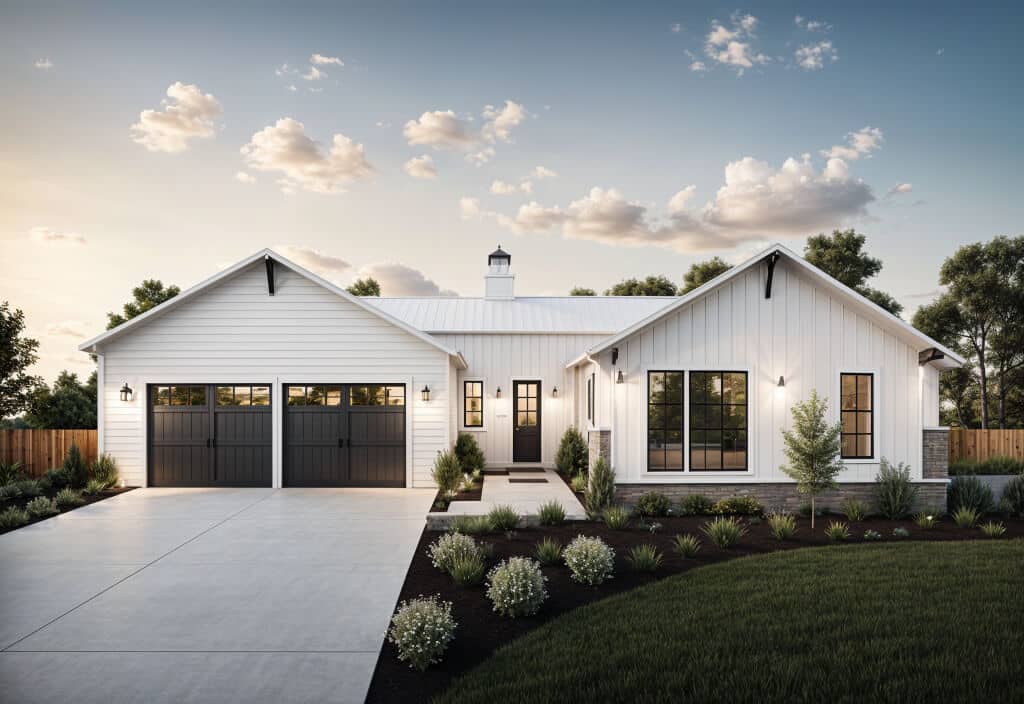

Home buying is one of life’s most celebrated and sought-after milestones. 85% of Americans say home buying is a top priority. From l planning to the contract exchange, buying a home should be an exciting and rewarding experience. Read ahead to learn how to get a home loan.
Initial planning
Before getting in touch with your bank, you should do some initial planning to begin scoping what home you’re looking for and what’s realistic. By considering your financial circumstances, your location, and your lifestyle, you can streamline your home-buying journey and narrow down your goals.
These first steps involve looking at your finances, goals, and the broader market to set feasible expectations. This is your fieldwork. Research what’s on the market and the available bank lenders, finalize your non-negotiables in a property or a location and estimate your mortgage-to-downpayment ratio. By laying the groundwork, you get yourself in the best position to begin engaging banks for pre-approval and working through the market.
What is the pre-approval process for a mortgage?
While you can still shop for homes on the market without it, a pre-approval gives you a clear understanding of your budget and lets you gauge what properties are within reach. Pre-approval is the first step in the mortgage process, where a bank reviews your financial situation. From your savings, employment, and assets to any existing debts and economic history, your bank evaluates whether you’re a reliable borrower.
Given the competitiveness of today’s housing marketing, pre-approval is highly recommended so you can act fast. With pre-approval, you’re given a precise estimate of your borrowing power so you can confidently make offers.
How to get pre-approved for a home loan?
Pre-approval depends on your bank’s criteria, but as an applicant, you can boost your reputation as a prospective borrower. When reviewing your application, your bank must review your finances and decide if you’re a low-risk borrower.
To boost your borrowing power during pre-approval, it’s essential you can show a responsible financial history. Before applying, check in on your financial situation and ensure it communicates to your bank that you’re a safe candidate to lend to. Some main factors to consider include the following:
- Income
- Funds and savings
- Existing debts
- Employment history
- Living expenses and existing assets
Home Shopping
Shopping is the most exciting part of this journey for most home buyers. With G.J. Gardner Homes, you can explore a wide range of homes nationwide and experience our superior home designs. At your local office, we can take you through the unique customization process so you can begin employing your design eye and creating your dream home. Learn more about our home designs today.
Mortgage Application: what is the mortgage loan process?
Once you’ve found your home and your offer gets accepted, it’s time to begin your mortgage application. Pre-approval will put you in a better position for this process. However, your bank can still reject your mortgage application even if you have received pre-approval.
The mortgage application process will need you to submit your personal and financial documentation, which includes the following:
- W-2s (for the last 2 years)
- Recent pay stubs
- Complete bank statements for all financial accounts
- Signed personal and business tax returns
- A copy of the signed Purchase and Sales Agreement
So, what is the bank looking for when they review this information? Your lender is trying to gain an accurate snapshot of your financial health and ensure you are a responsible and safe borrower. This will be reflected in consistent income, responsible spending habits, and savings. Once lenders have considered these factors, they can determine whether you’re a good investment for their bank and approve or deny your application.
Where does your credit score come in?
Credit scores are influential in mortgage applications as they rate your ability to borrow funds in the past or your: creditworthiness. It’s a calculated representation of your lending capacity and is one of the most influential factors in mortgage applications that can decide everything from loan approval to loan terms.
The higher your credit score, the better your creditworthiness is and the better your chances are at attaining a mortgage loan. A low credit score, under 600, indicates a less reliable borrower.
This number is a form of risk assessment for bank lenders and determines the type of loan you can receive. Applicants with high credit scores are likely approved for lower down payments and interest rates, whereas applicants with low credit scores will probably have to adhere to stricter terms. This could include a much higher downpayment and interest rate so the bank can cover itself in case of repayment issues.
As credit scores ultimately decide loan terms and approval, the home-buying journey starts much earlier than most think. Your mortgage process depends on your financial behavior over the years, and it’s important to work to attain a good credit score in the years leading up to home buying.

How long does the mortgage process take?
On average, the mortgage process in America will take 30 to 45 days. However, the length of time depends on several different factors. These include the bank, the application type, the accuracy of your application, the underwriting process, and the property itself. Complications in the loan process can double the timeline on average to 60 to 90 days.
Underwriting: what is the mortgage underwriting process?
While reviewing your mortgage application, the bank will complete underwriting. This process reviews your financial situation and is a significant mortgage stage component. An underwriter will assess your creditworthiness by reviewing all relevant information and documents you supplied in your application. The outcome of this process will determine whether the loan is approved or denied.
It’s called underwriting because, at one point in history, bankers would write their names under the risk information to approve the loan.
How long is the underwriting process for a mortgage?
The underwriting process represents one stage in the mortgage approval process carried out by lenders. It usually takes around a week to complete on its own, but it will vary from bank to bank. While this is the main stage of mortgage approval, admin and loan terms are also involved, which make up the rest of the waiting time.
What is the process of paying off a mortgage?
The average mortgage pay-off period is 30 years and involves continual monthly repayments. Your monthly repayment will involve the monthly principal (a portion of the loan) and the interest payment. As you progress with the payments, they should decrease over time as the loan balance decreases. This is called amortization. When securing your mortgage, you can decide the repayment period and terms that inform how the experience of paying off your mortgage will be.
Ready to buy?
Buying a home is an investment in your future and is widely considered one of the best decisions you can make. Life as a homeowner offers so many personal and financial advantages that make all this hard work pay off. Start your home-buying journey today and explore G.J. Gardner Homes’ wide range of home designs. Contact us for more information!
Category
Planning your build
Inspired by this post? Get curated home design advice delivered to you.
Related articles
Category
Planning your build
Custom Home built by G.J. Gardner Homes in Colorado Building a Custom Home Costs Less per Square Foot than Buying…
Category
Planning your build
Did you know that you could save money building a home over buying a home? It all starts with choosing…
Category
Planning your build
In recent years, the price of property has changed, and finding quality land can be difficult. If you’re lucky enough…
Category
Planning your build
When building your dream home, one of the most important factors is location. Usually, we need to decide between a…
Category
Planning your build
Designing and building a home that will house special memories with family and friends for years to come, and adding…
Category
Planning your build
Building a custom home is an exciting project, as it allows you to create a space perfectly tailored to your…
Category
Planning your build
A top priority for most home builders is planning for the future as your family grows and your needs evolve….
Category
Planning your build
When building a custom home, it’s important to have a detailed budget in place to avoid any unexpected costs and…
Category
Planning your buildADU
Given today’s unique living conditions, it’s no surprise that more homeowners are looking for ways to increase a property’s value,…
Category
Planning your buildADU
Accessory Dwelling Units (ADUs) are becoming an increasingly popular choice for homeowners looking to add living space or rental income…
Category
Planning your build
When building a custom home, choosing the right builder is crucial to ensuring your dream home becomes a reality. With…
Category
Planning your build
One factor that directly impacts the home-buying process in the United States is credit scores. Whether you’re a first-time homebuyer…
Category
Planning your build
Whether you’re looking to build your dream house on the coast, construct a home with picturesque lakeside views or have…
Category
Planning your build
Most know California for its laid-back lifestyle, natural beauty, and phenomenal weather. From the rugged coastline of Big Sur to…
Category
Planning your build
As the foundation to the central hub of your home, you can expect your kitchen floor to receive a workout…
Category
Planning your build
The kitchen is the heart of your home, and with the rise of open-plan living, the heart is more exposed…
Category
Planning your build
If you are planning on building a new home, you will have likely come across a range of different options…
Category
Planning your build
In recent years, the price of property has changed, and finding quality land can be difficult. If you’re lucky enough…
Category
Planning your build
For decades, the warm and familiar aesthetic of the farmhouses of old have stayed within the minds of American homebuilders…
Category
Planning your build
Multigenerational households refer to homes where multiple generations of people live under one roof. This can simply be adult children…
Category
Planning your build
Should you build a one or two story home? At the beginning of any new homebuyers’ journey, the decision on…
Category
Planning your build
If you’ve been browsing home designs online or visiting model homes, you will probably find yourself liking a bit of…
Category
Planning your build
Saving for a home down payment: what does it really take? Forget the quips about cutting back on coffee – we’ll…
Category
Planning your build
Arming yourself with the right information can make or break your building experience. Today we are sharing the 64 questions…
Category
Planning your build
Before you sign a building contract, it’s incredibly important that you’re confident the quoted price is accurate. Although it is…
Category
Planning your build
The beauty of rebuilding on your existing plot of land lies in the fact that you can have the house…
Category
Planning your build
A narrow lot may feel restrictive, but clever home design can overcome any challenge! Despite the smaller space, your approach…
Category
Planning your build
If you’ve decided to build a new home with G.J Gardner Homes, you’ll probably need to source a piece of…
Contact Us
"*" indicates required fields